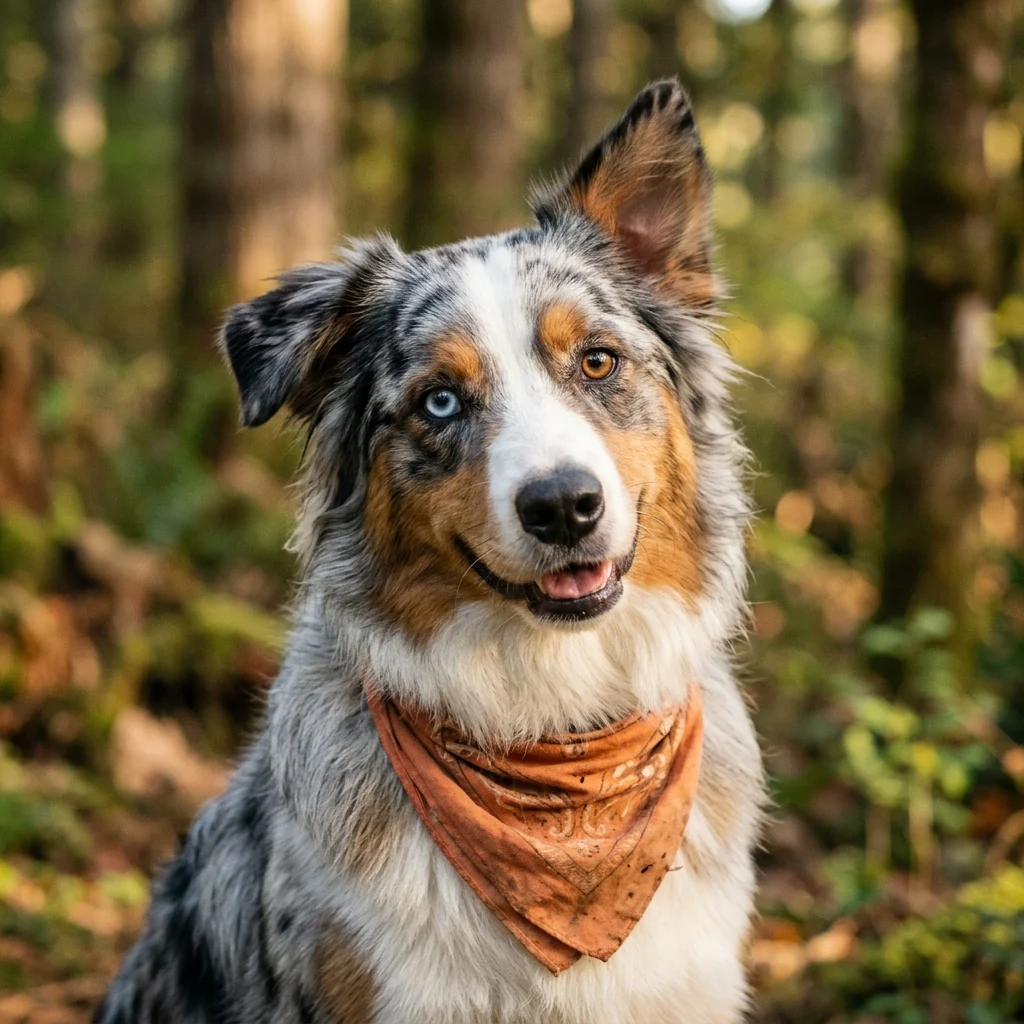
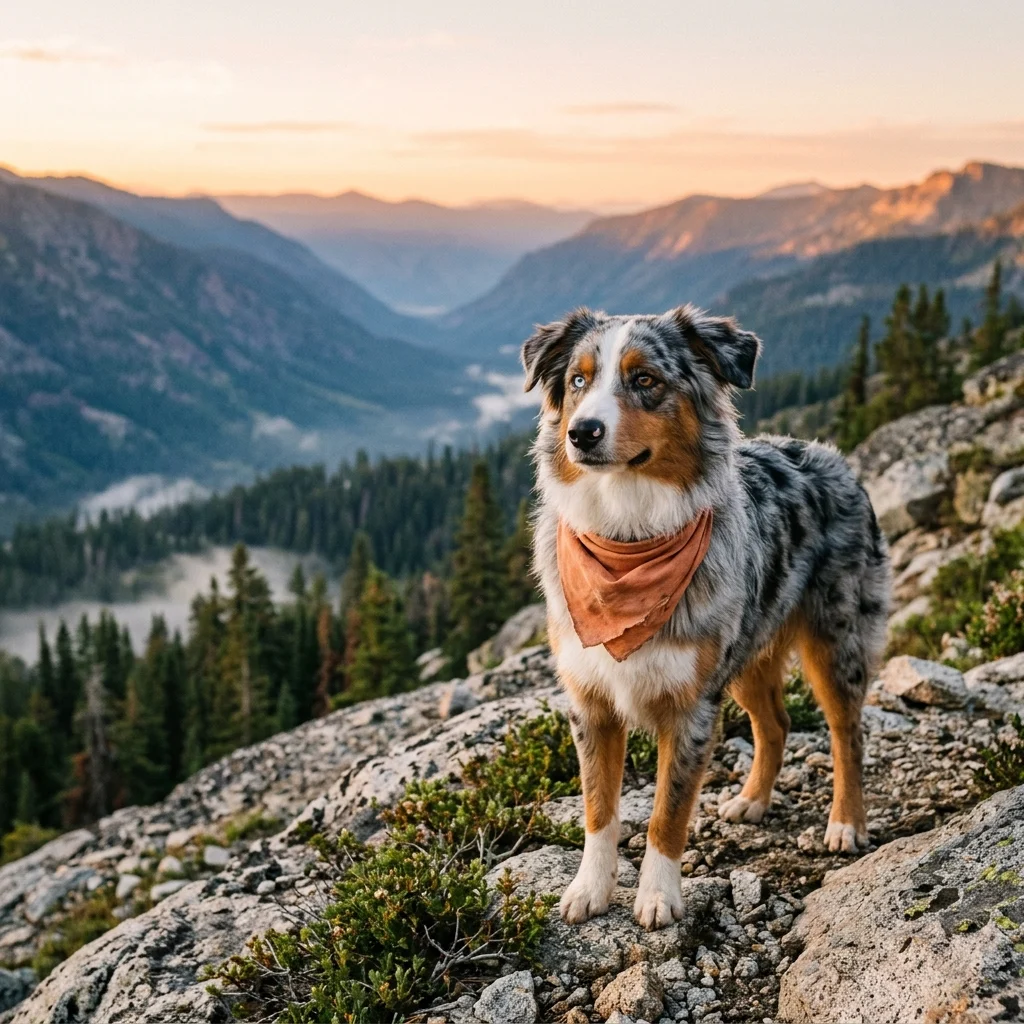
Every great trail-dog photo hides a lot of unglamorous groundwork: the weeks of building fitness, the recall drills in the backyard, the first short hikes that ended before anyone was tired. Hiking with a dog is one of the best things you’ll do together — but the difference between a dog that thrives on the trail and one that gets hurt or ruins everyone’s day is all in the preparation.
Here’s how to start the right way, honestly. It’s less about gear than you’d think and more about fitness, control and trail manners.
Start with a vet-honest fitness plan
Your dog can’t tell you their knee hurts, so you have to be conservative for them.
- Build up gradually. A couch dog doesn’t hike ten miles on day one any more than you would. Start with short, easy walks and add distance and elevation over weeks. Conditioning protects joints, pads and heart.
- Mind your dog’s age. Puppies’ growth plates are still open (roughly until 12–18 months, later in big breeds) — keep their outings short and low-impact. Seniors can hike but need gentler grades and more rest.
- Know your breed’s limits. Flat-faced (brachycephalic) breeds like Bulldogs and Pugs overheat and tire fast; thick-coated northern breeds struggle in heat; light sighthounds feel the cold. Match the hike to the dog you have.
- Watch for “enough.” Excessive panting, lagging behind, lying down, or limping all mean stop. End the hike with your dog wanting more, not wrecked.
Nail recall and trail manners before you go
The trail is the worst place to discover your dog ignores you. Two skills matter most:
- Recall. Practise “come” in low-distraction settings first, then harder ones, long before you rely on it near a cliff, a road or wildlife. If recall isn’t bombproof, your dog stays leashed — full stop.
- Yielding and calm passing. Your dog should be able to sit or step aside while other hikers, dogs, bikes and horses pass. A lunging, barking dog is why some trails ban dogs at all.
Understand the leash rules (they’re not optional)
Most public trails require dogs to be leashed, and the rules exist for good reasons: protecting ground-nesting birds and wildlife, respecting hikers who are nervous around dogs, and keeping your own dog safe from cliffs, porcupines and lost-dog nightmares. Check the specific trail’s rules before you go — national parks are often stricter (many ban dogs on trails entirely) than national forests or local open space.
Even where off-leash is legal, it’s a privilege that depends on recall. A long-line — 15 to 30 feet — is the honest compromise for most dogs: room to explore and sniff, with you still in control.
Check Long-Line Leashes on Amazon →
The starter gear (less than you think)
You don’t need a pile of equipment to begin:
- A well-fitted harness. A harness spreads pressure better than a collar for pulling and scrambling. A no-pull design like the Ruffwear Front Range is a solid all-rounder.
- Water for both of you, and a bowl. Don’t rely on streams — giardia and blue-green algae are real. A collapsible bowl weighs nothing.
- Waste bags, packed in and out.
- Paw awareness. Hot rock and rough trail punish pads; a paw balm helps, and you should check paws at the end of each hike.
Once your dog is conditioned and grown, let them carry their own water in a pack — see our dog hiking backpack guide and the pack-weight calculator for a safe load.
Respect the trail and the wildlife
Hiking with a dog comes with a responsibility to leave the trail as good as you found it:
- Pack out waste — every time, even in the backcountry. Dog waste isn’t “natural” fertiliser; it spreads disease and disrupts ecosystems.
- Keep your dog on the trail to protect fragile vegetation and nesting wildlife.
- Don’t let your dog chase wildlife. It’s dangerous for them and devastating for stressed animals.
Our Leave No Trace with dogs guide goes deeper — it’s how we keep trails open to dogs at all.
Watch the heat
Heat is the danger beginners underestimate most. Dogs cool far less efficiently than people, and hot ground burns paws. Hike in the cooler hours, carry plenty of water, rest in shade, and learn the early signs of overheating. Our full guide on keeping your dog cool and safe on summer hikes covers this in detail — it’s worth reading before your first warm-weather outing.
The bottom line
Start slow, build fitness, drill recall, learn the rules, and pack light. Do that and hiking becomes the thing your dog lives for — and you become the owner other hikers are glad to share the trail with. The summit photo will come. Earn it first with the boring, important groundwork.
Sources
Frequently asked questions
How far can a dog hike?
It depends entirely on breed, age, fitness and heat — there's no single number. A conditioned adult dog can handle a long day hike, but you build up to that over weeks, just like you would. Puppies need much shorter outings to protect growing joints, and flat-faced or senior dogs have real limits. Start short, watch for tiredness, and add distance gradually.
Do I need to keep my dog on a leash while hiking?
On most public trails, yes — leash rules exist to protect wildlife, other hikers and your dog. Even where off-leash is legal, it's only appropriate with rock-solid recall. A long-line is a good middle ground: freedom to sniff and explore while you stay in control.
What should I bring hiking with my dog?
At minimum: water and a bowl for both of you, a well-fitted harness and leash (or long-line), waste bags, and paw awareness for hot or rough ground. On longer or remote hikes, add a small dog first-aid kit and a way to locate your dog if they bolt. Let a conditioned dog carry its own water in a pack.
Comments
Got a question, a tip, or a correction? Leave a comment — no account, no sign-in. Just your name and your thoughts.
Loading comments…