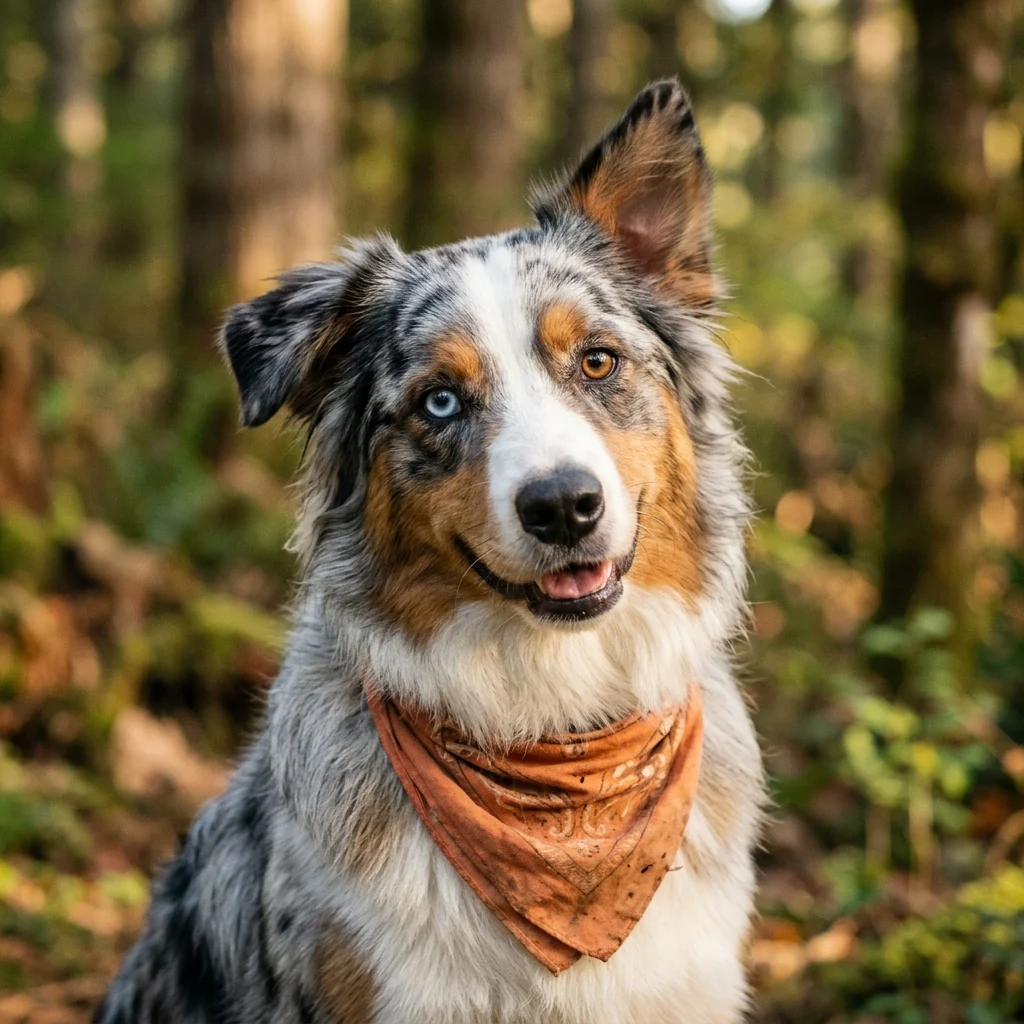
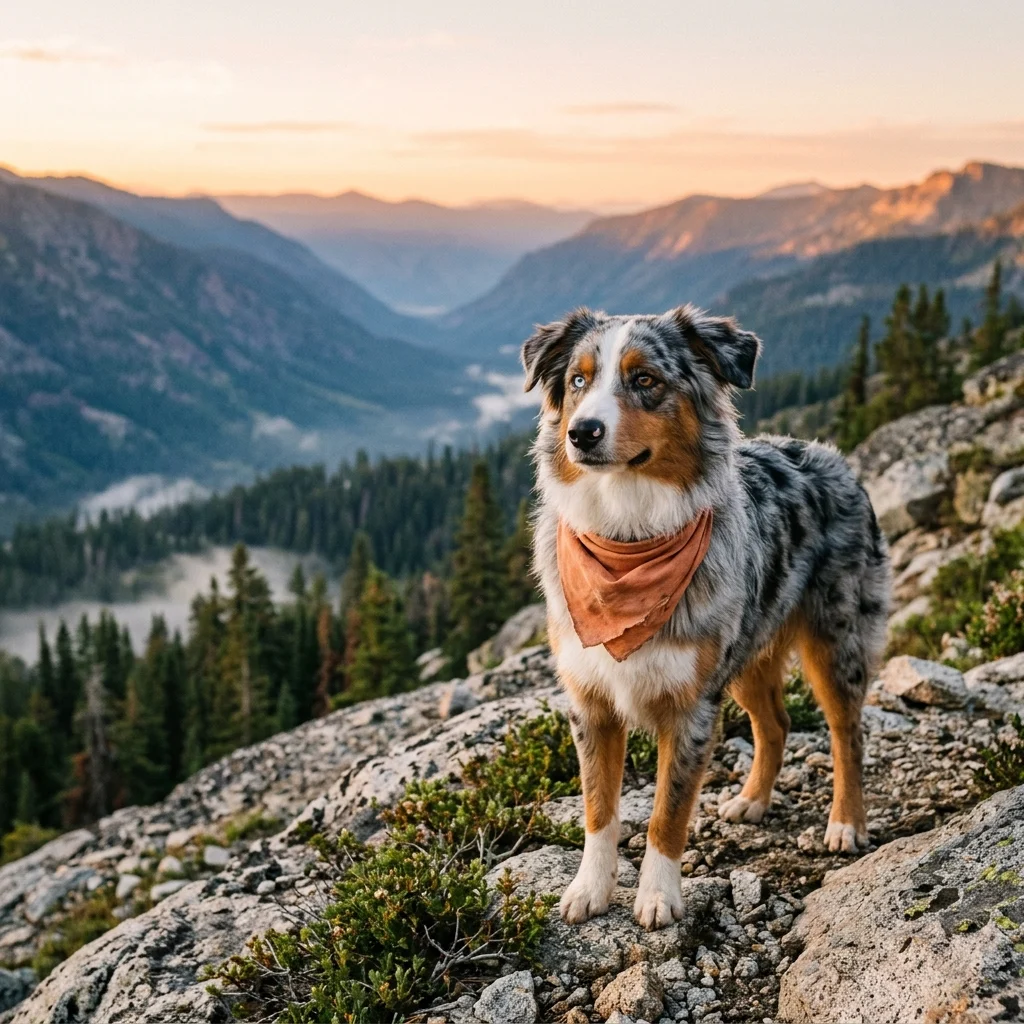
Here’s a fact worth sitting with: nearly every trail that bans dogs was closed because of dogs — or more precisely, because of owners who didn’t manage them. Waste left behind, wildlife chased, hikers startled, meadows trampled. The dog-friendly trails we still have are a privilege, and Leave No Trace is how we keep them.
The good news is it’s not complicated. The Leave No Trace Seven Principles — the outdoor ethic used across public lands — map cleanly onto hiking with a dog. Here’s how each one works when you’ve got a dog on the other end of the leash.
1. Plan ahead and prepare
Check the rules before you go, not at the trailhead. Is the trail dog-friendly? Leashed or off-leash? National parks often ban dogs on trails entirely; national forests and local open space are usually more permissive. Pack enough water for your dog, waste bags to spare, and know the weather — planning is what prevents the improvising that causes damage.
2. Travel and camp on durable surfaces
Keep your dog on the trail. When dogs roam off the path they trample fragile vegetation, widen trails, and erode the very landscape you came to enjoy. At camp, the same applies — a tie-out on a durable surface keeps your dog from carving a muddy circle through the undergrowth.
3. Dispose of waste properly
This is the big one. Pack out dog waste — every time. Dog waste is not wild scat: dogs eat nutrient-rich food, and their waste loads ecosystems with excess nitrogen and phosphorus, spreads parasites like giardia, and pollutes streams. Bag it and carry it out with your trash.
And the cardinal sin: never bag it and leave the bag on the trail to “grab on the way back.” Bagged waste abandoned trailside is worse than none — it’s plastic and pollution. Carry spare waste bags and a sealable pouch so it’s never an excuse.
Check Dog Waste Bags on Amazon →
4. Leave what you find
Dogs love to dig, chew sticks, and roll in things — mostly harmless, but not always. Discourage digging that scars the ground and don’t let your dog disturb natural or cultural features. Leave the trail as you found it, paw prints aside.
5. Minimise campfire impact
A dog near a campfire is a burn or a scattered-ember risk. Keep your dog leashed or tied at a safe distance from the fire, and never leave a dog unattended near flames. This one’s as much about your dog’s safety as the land’s.
6. Respect wildlife
Maybe the most important principle for dog owners. A dog chasing wildlife — even in play — causes real harm: it stresses animals, separates parents from young, and can be fatal for both the wildlife and your dog (porcupines, snakes, and larger predators all end badly). Keep your dog leashed or under genuine voice control, and never let them pursue an animal. Ground-nesting birds and denning season deserve extra care.
A reliable recall and a long-line are your best tools here — freedom for your dog without a threat to wildlife.
7. Be considerate of other visitors
Not everyone loves dogs, and that’s their right on a shared trail. Good trail etiquette:
- Yield the trail — leash up and step aside so others can pass without a nervous dog lunging at them.
- Control barking. A barking dog shatters the quiet others came for.
- Ask before greeting. Not every dog or person wants to meet yours.
- Uphill hikers and horses have right of way — and horses especially can spook at a loose dog, which is dangerous for everyone.
Why this matters more than it seems
Every one of these habits is small. Together they’re the reason a trail stays open to dogs. Land managers close trails to dogs when the impacts pile up — and every owner who packs out waste, controls their dog around wildlife, and yields politely is quietly voting to keep those trails open. Leave No Trace isn’t red tape; it’s how we protect the thing we love doing with our dogs.
The bottom line
Pack out everything, keep your dog on the trail and under control, respect wildlife and other hikers, and leave the place better than the last person did. Do it every time, and you’re not just a good hiker — you’re the reason the next dog owner gets to hike here too.
Sources
- Leave No Trace — The Seven Principles
- Leave No Trace — Enjoying the outdoors with pets
- American Kennel Club — Hiking With Your Dog
Frequently asked questions
Do I really need to pack out dog poop in the backcountry?
Yes. Dog waste isn't the same as wild-animal scat — dogs eat a rich diet, and their waste introduces excess nutrients, bacteria and parasites that harm local ecosystems and waterways. On nearly all trails the rule is pack it out, the same as your own trash. Bagging and then leaving the bag on the trail is the worst option of all.
Why are dogs banned on some trails?
Usually because of impacts from dogs and owners who didn't manage them: chasing or stressing wildlife, disturbing ground-nesting birds, waste left behind, and conflicts with other trail users. Most dog bans are the cumulative result of bad etiquette. Good Leave No Trace habits are how the remaining dog-friendly trails stay that way.
Should my dog be on a leash to follow Leave No Trace?
In most places, yes. Leashes keep dogs from chasing wildlife, trampling fragile vegetation off-trail, and startling other hikers. Where off-leash is legal, Leave No Trace still expects genuine voice control — reliable recall — so your dog behaves as if leashed.
Comments
Got a question, a tip, or a correction? Leave a comment — no account, no sign-in. Just your name and your thoughts.
Loading comments…