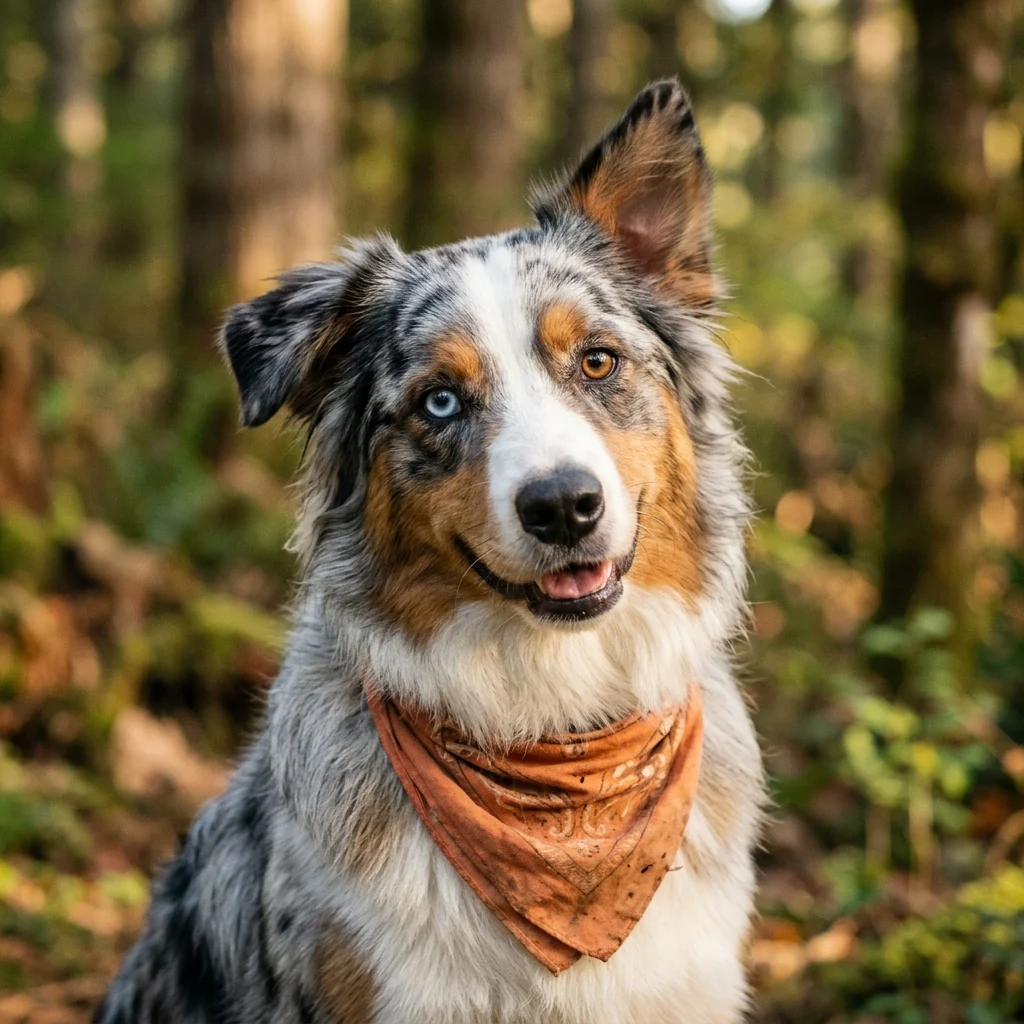
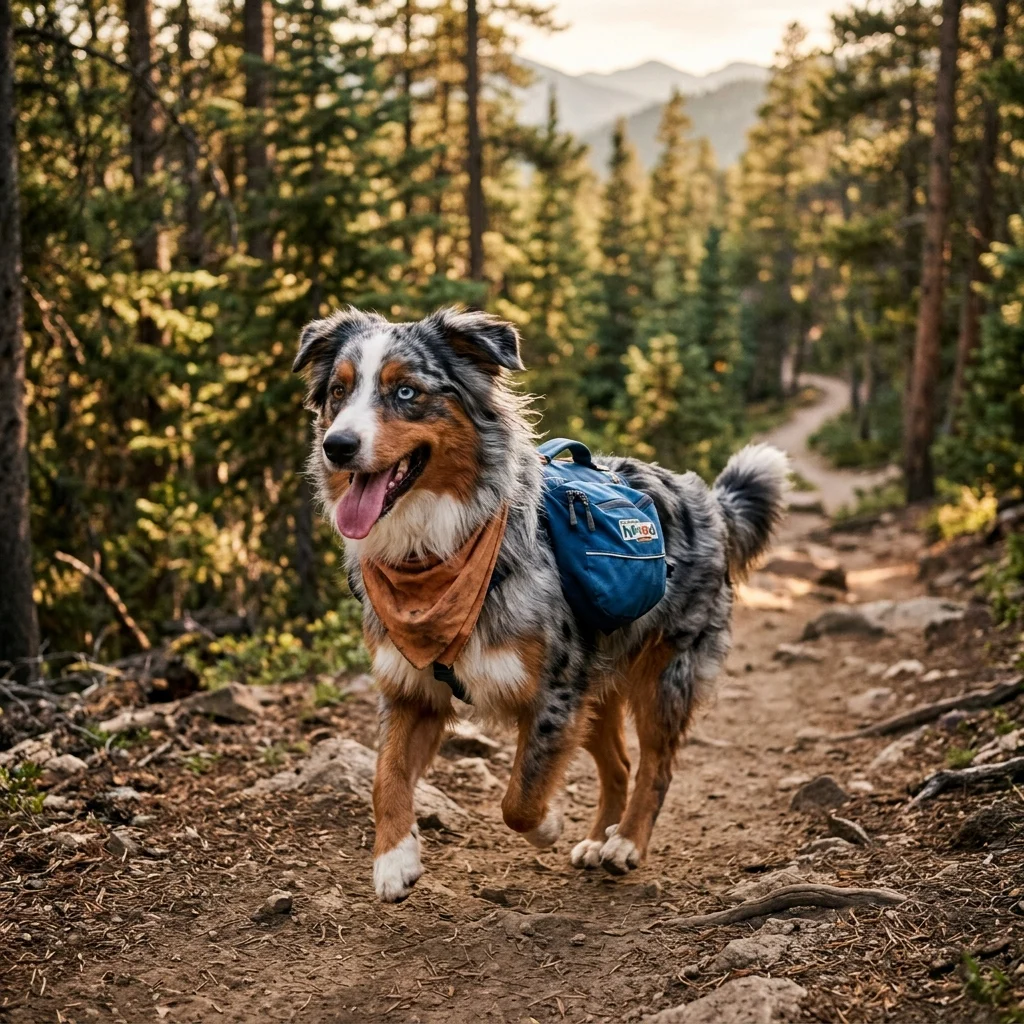
Ask a good trainer for the one tool that would most improve the average dog’s life, and a lot of them will say the same thing: a long-line. It’s the single most useful piece of kit most owners don’t own — the bridge between a six-foot leash and true off-leash freedom. A long-line lets your dog roam, sniff and explore over 15 to 50 feet while you stay in control, which makes it the backbone of recall training and a safe way to give leash-bound dogs real freedom.
Here’s how to choose the right one and, just as important, how to use it without hurting your hands or your dog.
What a long-line is actually for
Two big jobs:
- Building a reliable recall. You can’t teach a dog to come back from freedom if it never has any. A long-line gives controlled freedom — your dog gets 30 feet of independence, and if the recall fails, you still have the line. It’s how you practise the real thing safely before you ever trust true off-leash.
- Safe near-off-leash freedom. On trails where the law requires a leash, or with a dog whose recall isn’t bombproof yet, a long-line lets them sniff, wade and explore far more than a six-foot lead allows — the enrichment of off-leash without the risk.
It is not a retractable leash (those are short, thin, and encourage exactly the pulling you don’t want), and it’s not for tying a dog out unattended.
Choose the material first
Material matters more than brand. Three main options:
BioThane (coated webbing) — best all-rounder
BioThane is nylon webbing coated in a waterproof polymer, and it’s what most trail owners land on. It’s waterproof, mud-proof and stink-proof — drag it through a bog and wipe it clean. It doesn’t absorb water and get heavy, doesn’t hold odour, and doesn’t give the rope burn that bare webbing can. The trade-off is a slightly higher price and a touch more weight than thin nylon. For anyone hiking near water and mud, it’s worth it.
Check Long-Line Leashes on Amazon →
Flat nylon webbing — budget pick
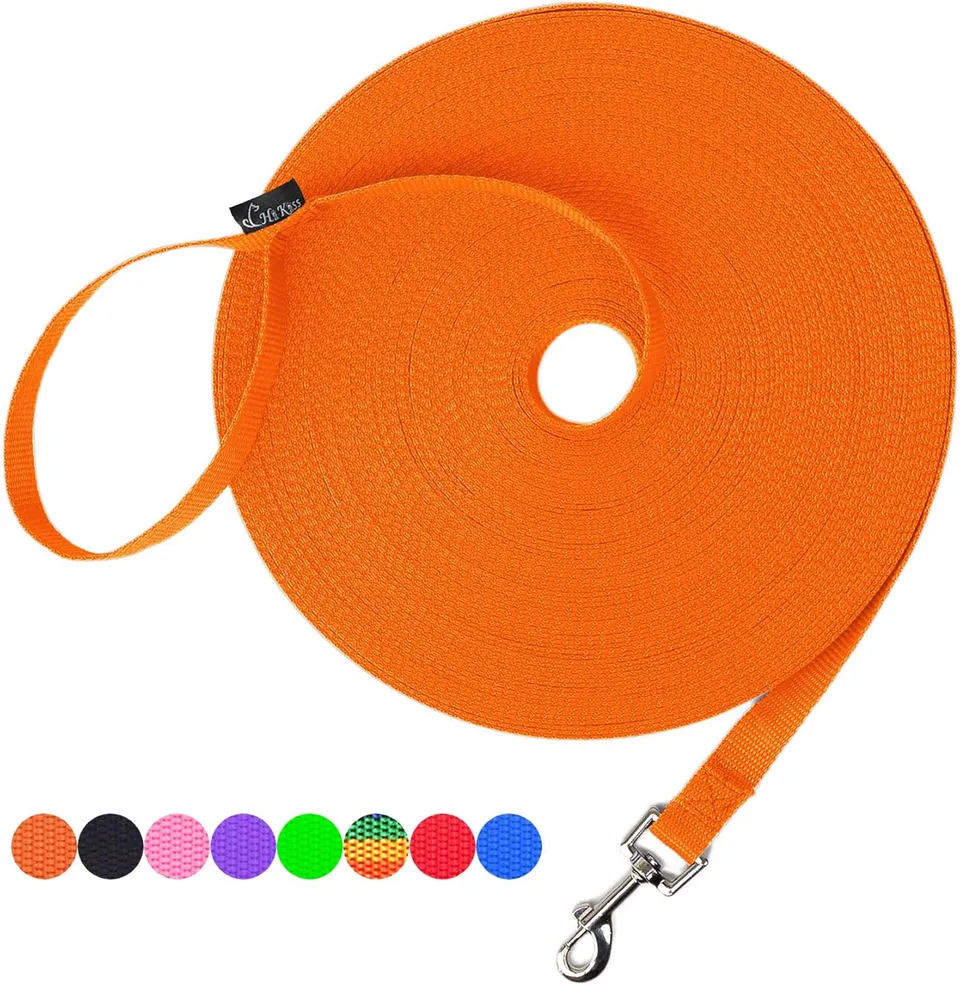
Cheap, light and widely available. The downsides show up in the field: nylon soaks up water and mud, gets heavy and grimy, holds smell, and can give a nasty friction burn if it runs through your hand under tension. Fine for dry-field training, less pleasant for wet trails.
Rope / long leather — niche
Rope lines are grippy and strong but tangle readily and hold water; quality leather is lovely but expensive and needs care and hates being soaked. Both are more specialist choices than everyday trail gear.
Then choose the length
Match length to the job — longer isn’t automatically better, because every extra foot is more to manage and untangle.
- 15–20 ft: the everyday length. Best for sniffy neighbourhood walks, campsite downtime, and beginners learning to handle a line. Easiest to keep tidy.
- 30 ft: the recall-training sweet spot. Enough distance for genuine independence and real recall practice, still manageable in open space.
- 50 ft: advanced, wide-open-area work only. Maximum freedom, maximum tangle — for experienced handlers with the room to use it.
Many owners simply own two: a 15 ft for daily life and a 30 ft for training.
Use it safely — the part that matters
A long-line used carelessly can injure you or your dog. The rules:
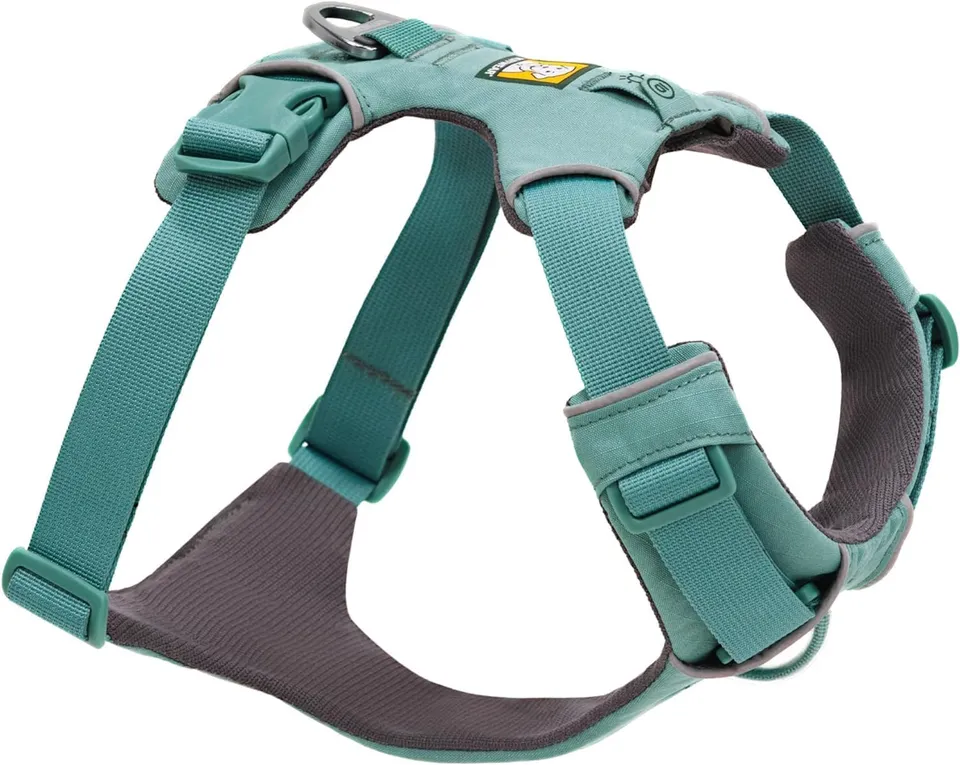
- Clip to a harness, never a collar. A dog sprinting to the end of 30 feet and hitting a collar can suffer a serious neck jolt. A well-fitted harness spreads that force across the chest. A no-pull design like the Ruffwear Front Range works well.
- Wear gloves. A line running through a bare hand under a lunge gives real friction burns. Light gloves solve it.
- Never wrap the line around your hand or wrist. A sudden bolt can injure your hand or pull you off your feet. Let it feed and gather it in loose folds instead.
- Don’t let big loops drag where it can snag — or wrap around your dog’s legs (or another hiker) at speed.
- Manage the slack. The skill is gathering and feeding line so there’s freedom without a huge tangle on the ground. It takes a little practice; the 15 ft is where to learn it.
How to train recall with a long-line (the short version)
- Let your dog wander to the end of the line in a low-distraction area.
- Call once, in a happy voice, and make yourself exciting (crouch, treats, praise).
- When they come, pay big — high-value treats, real enthusiasm.
- If they ignore you, don’t reel them in like a fish; gently guide with the line and try again closer.
- Slowly add distance and distraction over many sessions. Only when recall is boringly reliable on the line do you consider off-leash where it’s legal.
For where that fits into hitting the trail, see our beginner’s guide to hiking with your dog.
The bottom line
A long-line is cheap, simple, and quietly transformative — the tool that turns a dog stuck on a six-foot leash into one that gets real freedom and, eventually, a recall you can trust. Get a BioThane line for wet-and-muddy trail life, pick 15–20 ft for everyday and 30 ft for training, always clip to a harness, and wear gloves. Then go teach your dog that coming back is the best part of being free.
Sources
- American Kennel Club — Teaching Your Dog to Come (Recall)
- American Kennel Club — Hiking With Your Dog
Frequently asked questions
What is a long-line leash used for?
A long-line is a 15–50 ft leash used to give a dog freedom to explore and sniff while you keep control — mainly for training a reliable recall, and for letting dogs enjoy near-off-leash freedom safely where the law or their training doesn't allow true off-leash. It's the bridge between a 6 ft leash and trusting your dog off-lead entirely.
What length long-line should I get?
For everyday sniffy walks and campsite downtime, 15–20 ft is easiest to manage. For active recall training in open space, 30 ft is the sweet spot. Go to 50 ft only for advanced work in wide-open areas — long lines tangle and are harder to control the longer they get. Many owners keep a 15 ft and a 30 ft.
Should a long-line attach to a collar or a harness?
Always a well-fitted harness, never a collar. A dog hitting the end of a long line at speed can be seriously hurt by a collar's jolt to the neck. A harness spreads that force across the chest. Clip to the back of a Y-front harness for the safest setup.
Comments
Got a question, a tip, or a correction? Leave a comment — no account, no sign-in. Just your name and your thoughts.
Loading comments…